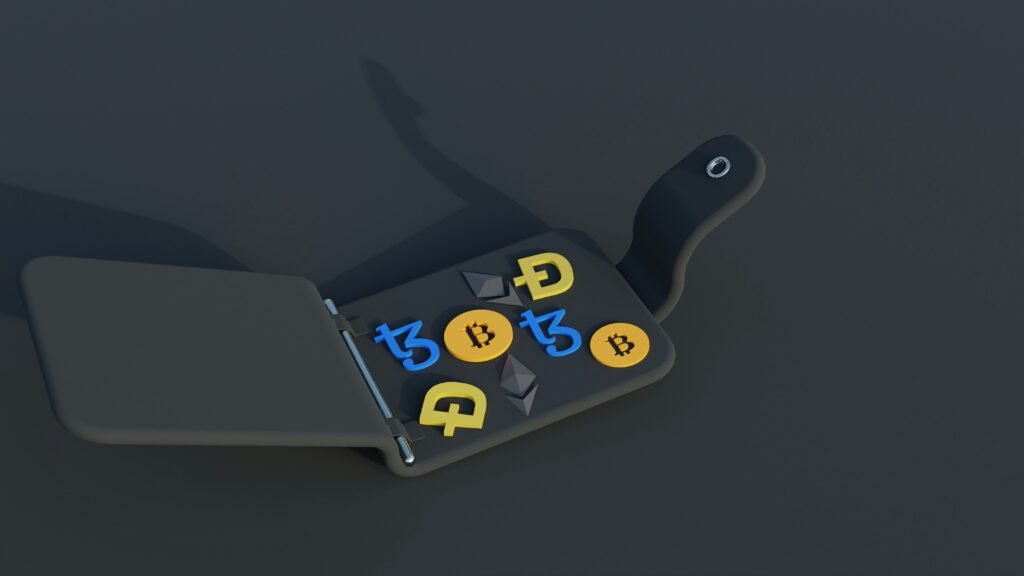
Introduction to Bitcoin Wallets
A Bitcoin wallet is an essential tool for anyone looking to acquire, store, and trade Bitcoin. It functions similarly to a bank account but is specifically designed for digital currencies. Using a wallet allows users to manage their Bitcoin seamlessly, ensuring security and accessibility. The importance of utilizing a Bitcoin wallet cannot be overstated, especially in the realm of cryptocurrency trading. Without a proper wallet, users may face significant risks, including loss of their digital assets or exposure to fraud.
There are several types of Bitcoin wallets, each offering distinct features suited to different user needs. Software wallets, for instance, are applications that can be installed on a computer or smartphone. They provide ease of access and convenience for everyday transactions. On the other hand, hardware wallets are physical devices, often resembling USB drives, that store Bitcoin offline. This type of wallet is considered one of the most secure options, as it protects users against cyber threats.
Additionally, paper wallets offer an offline solution by printing out the wallet’s private and public keys. While they are immune to online hacking, paper wallets require careful handling and storage to prevent loss or damage. Mobile wallets, designed for smartphones, combine the benefits of software and convenience, allowing users to transact easily on the go. Each type of wallet has its own advantages and disadvantages, and the choice often depends on individual priorities regarding security, accessibility, and ease of use.
Understanding the variety of wallets available is crucial for beginners in the cryptocurrency world. By selecting the appropriate Bitcoin wallet, users can better control their digital assets while ensuring they engage in safe and efficient trading practices.
Understanding Key Terminology
In the realm of Bitcoin wallet trading, several terms play a crucial role in ensuring users can effectively manage their assets. A fundamental concept to grasp is the private key. This key serves as a secure digital signature, granting you access to your Bitcoin and allowing you to authorize transactions. It is vital to keep your private key confidential, as possession equates to ownership of your digital currency. If someone else gains access to your private key, they can control your funds.
Conversely, a public key is derived from the private key and acts as your Bitcoin account number. This key can be shared with others, enabling them to send Bitcoin to your wallet. Public keys are mathematically linked to private keys, ensuring that while the public key is used to receive funds, the private key is necessary for spending them.
Related to these keys is the concept of a Bitcoin address. This address is a hashed version of the public key, simplifying transactions and making them more user-friendly. A Bitcoin address is where users send and receive digital currency, and it functions similarly to an email address, providing a way to identify your wallet on the blockchain while keeping the public key’s length manageable.
Lastly, a seed phrase, often referred to as a recovery phrase, is a unique set of words generated when creating a Bitcoin wallet. This phrase is critical for recovering access to your wallet if you lose your private key or device. It is essential to safely store your seed phrase, as anyone with access to it can restore your wallet and control your assets. Understanding these key terms is foundational in navigating Bitcoin wallet trading and ensuring secure handling of cryptocurrencies.
Different Types of Bitcoin Wallets
When engaging in Bitcoin trading, understanding the different types of wallets is crucial for managing your digital assets securely. Bitcoin wallets can be broadly classified into two categories: hot wallets and cold wallets.
Hot Wallets are connected to the internet and allow for quick access to your Bitcoin. They are often used for everyday transactions due to their convenience. Popular forms of hot wallets include mobile apps, desktop applications, and web-based platforms. The main advantage of hot wallets is their ease of use, which facilitates swift trading and liquidity. However, because they are online, they are more susceptible to hacking and other cyber threats, which could compromise the security of your assets.
On the other hand, Cold Wallets provide a higher level of security by storing your Bitcoin offline. This category includes hardware wallets, like USB devices, and paper wallets, where the private keys are printed on paper. The primary benefit of cold wallets is that they are immune to online hacks, making them a preferred choice for long-term storage of Bitcoin. Nevertheless, they may not be as user-friendly as hot wallets. Transacting with a cold wallet typically requires more steps, which could impede instant trading opportunities.
Each wallet type serves different needs depending on the user’s trading style and security preferences. While traders who frequently buy and sell Bitcoin might lean towards hot wallets for their speed, those looking to safeguard their investments for the long run may opt for cold wallets. Consequently, it is critical for traders to evaluate their individual circumstances and choose the wallet type that best fits their trading objectives, balancing convenience with security.
Choosing the Right Bitcoin Wallet
Setting up a Bitcoin wallet is an essential step for anyone looking to engage in Bitcoin trading or investing. The first task is to select an appropriate wallet, which can be broadly categorized into two types: hot wallets and cold wallets. Hot wallets are connected to the internet, offering convenience for transactions, while cold wallets provide offline storage, enhancing security against hacks.
Getting Started with Wallet Setup
After determining the type of wallet, the next step involves downloading a wallet application or acquiring a physical hardware wallet. If you choose a software wallet, ensure it is from a reputable source with strong security measures, such as two-factor authentication. For hardware wallets, purchase directly from the manufacturer to avoid tampering risks.
Securing Your Wallet Information
When setting up your Bitcoin wallet, you will be provided with a recovery seed or private key. These elements are crucial for the recovery of your wallet should you lose access. It is imperative to write down this information and store it securely, preferably in a safe place separate from the wallet itself. Never share your private key; doing so may lead to unauthorized access to your holdings.
Backing Up Your Wallet
Backing up your Bitcoin wallet is vital. Many wallets provide options to create backups, and this can often be done easily within the wallet settings. Regular backups ensure that you can restore your wallet in case of device loss or failure. Store your backup in multiple secure locations—such as an encrypted USB drive or a secure cloud storage service—to further mitigate the risk of loss.
Final Thoughts on Wallet Setup
By carefully selecting the right wallet and following best practices for securing and backing it up, you can create a solid foundation for your Bitcoin trading experience. Understanding the nuances of Bitcoin wallets is essential for safeguarding your investments and ensuring smooth transactions.
How to Fund Your Bitcoin Wallet
Funding your Bitcoin wallet is a crucial step in engaging with the cryptocurrency market. There are several methods through which you can load your wallet with Bitcoin, each catering to various preferences and technical abilities.
One of the most common ways to fund your Bitcoin wallet is by purchasing Bitcoin through cryptocurrency exchanges. Popular platforms such as Coinbase, Binance, and Kraken allow users to create accounts, deposit fiat currency (like USD or EUR), and convert that into Bitcoin. This method generally involves linking your bank account or using credit/debit cards for quicker transactions. Once your account is funded with fiat currency, you can buy Bitcoin and directly transfer it to your wallet address.
Another method to fund your Bitcoin wallet is by receiving Bitcoin from other users. This could be a transaction from a friend or a payment for goods or services. To facilitate this, you simply need to provide the sender with your Bitcoin wallet address, which they will use to transfer the Bitcoin directly to your wallet. It’s important to note that receiving Bitcoin does not incur any fees; however, the sender may be subject to network transaction fees, depending on the urgency of the transfer.
Additionally, if you already hold Bitcoin in another wallet, transferring Bitcoin to your current wallet is a viable option. This can be especially useful if you’re consolidating your holdings or switching to a more secure wallet for better protection. To execute this transfer, you need both the wallet address of your current wallet and access to your previous wallet for initiating the transaction. Each of these methods of funding ensures that you can effectively prepare your Bitcoin wallet for trading and investing.
Trading Bitcoin: The Basics
Trading Bitcoin involves understanding several fundamental concepts that are essential for engaging with cryptocurrency exchanges. For beginners, it is vital to grasp the nature of different order types used in the trading process. One of the most common order types is the market order, which facilitates the purchase or sale of Bitcoin at the current market price. When a trader places a market order, they effectively agree to transact at the best available price, ensuring immediate execution. This type of order is ideal for those who prioritize speed over price specificity.
Alternatively, a limit order allows traders to specify a price at which they are willing to buy or sell Bitcoin. For instance, if a trader believes Bitcoin will drop to $30,000, they can place a buy limit order at that price. If the market reaches this level, the order will be executed. This approach gives traders more control over the prices they are willing to trade at but may result in missed opportunities if the market does not reach the desired price.
Another crucial element in Bitcoin trading is the use of stop-loss orders. This order type is employed to manage risk by triggering a sale of Bitcoin when its price falls to a predetermined level. For example, a trader who buys Bitcoin at $35,000 may set a stop-loss order at $32,000 to limit potential losses. If the market price drops to this level, the stop-loss order will automatically execute, safeguarding the trader from further declines.
Understanding these basic trading concepts—market orders, limit orders, and stop-loss orders—equips beginners with the necessary tools to navigate the Bitcoin trading landscape effectively. This foundational knowledge is a stepping stone toward developing a more sophisticated trading strategy in the ever-evolving world of cryptocurrency.
Understanding Bitcoin Transactions
Bitcoin transactions represent the transfer of value between Bitcoin wallets, and they are essential components of how the Bitcoin network operates. When a user wants to send Bitcoin, they create a transaction that specifies the amount of Bitcoin to be sent and the recipient’s wallet address. This information is then broadcast to the Bitcoin network for verification.
To ensure the legitimacy of transactions, miners utilize a consensus mechanism known as proof-of-work. When a miner successfully adds a new block to the blockchain, they effectively validate all transactions within that block. Each transaction must receive a number of confirmations to be considered secure. Generally, a transaction is deemed secure after six confirmations, indicating that it is highly unlikely for it to be reversed.
Transaction fees play a significant role in the process. These fees are paid to miners as an incentive for including transactions in the blocks they generate. The fee amount may vary based on the network’s current congestion. Users can choose to set higher fees for quicker transaction confirmation or lower fees if they are willing to wait longer. Understanding this aspect of Bitcoin wallet transactions is essential for both senders and recipients.
Moreover, when a person receives Bitcoin, it is essential to recognize that the recipient does not immediately access the funds. The transaction must first be confirmed on the blockchain, which involves speakers from the network verifying the transaction’s authenticity. Once confirmed, the Bitcoin will then appear in the recipient’s wallet balance.
In conclusion, a clear understanding of Bitcoin transactions is vital for anyone looking to engage with cryptocurrency. By comprehending the mechanics of sending and receiving Bitcoin, the role of transaction fees, and the importance of confirmations, users can navigate the Bitcoin ecosystem more effectively.
Security Basics: Keeping Your Wallet Safe
When engaging in Bitcoin trading, security should be a top priority. The decentralized nature of cryptocurrencies lends itself to a unique set of risks, making it crucial for traders to understand how to protect their wallets from potential threats. Secure storage of your Bitcoin is essential in mitigating risks related to hacks, phishing attacks, and online scams.
One fundamental aspect of wallet security is the choice of wallet type. Hardware wallets, which store your cryptocurrencies offline, are considered among the safest options. Unlike online wallets, which are susceptible to malware and hacking attempts, a hardware wallet reduces exposure to the internet, significantly lowering the chance of unauthorized access. Alternatively, if you prefer convenience, ensure any online wallet service you use is reputable and has strong security features in place, such as two-factor authentication (2FA).
It is also vital to guard your private keys, which give access to your Bitcoin. Never share your private keys or seed phrases with anyone, and store them in a secure location, preferably offline. Be wary of unsolicited messages asking for sensitive information; phishing attacks often masquerade as legitimate communications. Always verify the source before clicking on links or providing personal details.
Regularly updating your wallet’s software also plays a key role in maintaining security. Developers frequently release updates to patch vulnerabilities, and using outdated software can leave your wallet exposed. Additionally, consider implementing security measures such as biometric locks or multi-signature wallets, which require multiple approvals for transactions, adding an extra layer of protection.
In summary, the security of your Bitcoin wallet is paramount when trading cryptocurrencies. By choosing the right wallet type, safeguarding your private keys, being vigilant against phishing attempts, and keeping your software updated, you can significantly enhance your wallet’s security and protect your investments from potential threats.
Conclusion and Next Steps
As we have explored throughout this blog post, understanding Bitcoin wallet trading terminology is crucial for anyone looking to navigate the world of cryptocurrency. We have covered various key terms and concepts associated with Bitcoin wallets, trading strategies, and the broader cryptocurrency market. Familiarity with these terms not only helps in making informed trading decisions but also enhances your overall engagement with the cryptocurrency community.
It is important to remember that the cryptocurrency market is highly dynamic, and continuous learning is essential. New strategies, terminologies, and market trends are emerging regularly, necessitating a commitment to staying updated. Engaging with educational resources, participating in online forums, or following reputable cryptocurrency news outlets can significantly enhance your understanding and ability to succeed in cryptocurrency trading.
For those eager to delve deeper, consider exploring advanced trading strategies such as technical analysis, risk management techniques, and portfolio diversification. Each of these elements plays a pivotal role in optimizing your Bitcoin trading experience. Additionally, practicing with demo accounts or small investments can provide invaluable hands-on experience without substantial financial risk.
In conclusion, the journey into Bitcoin wallet trading terminology does not end here. It is merely the beginning of a wider exploration into the intricate world of cryptocurrency. Stay curious, keep learning, and embrace the opportunities that arise within this rapidly evolving landscape. Your proactive approach to education and practical engagement will be key in navigating the complexities of Bitcoin trading and wallet management successfully.
